
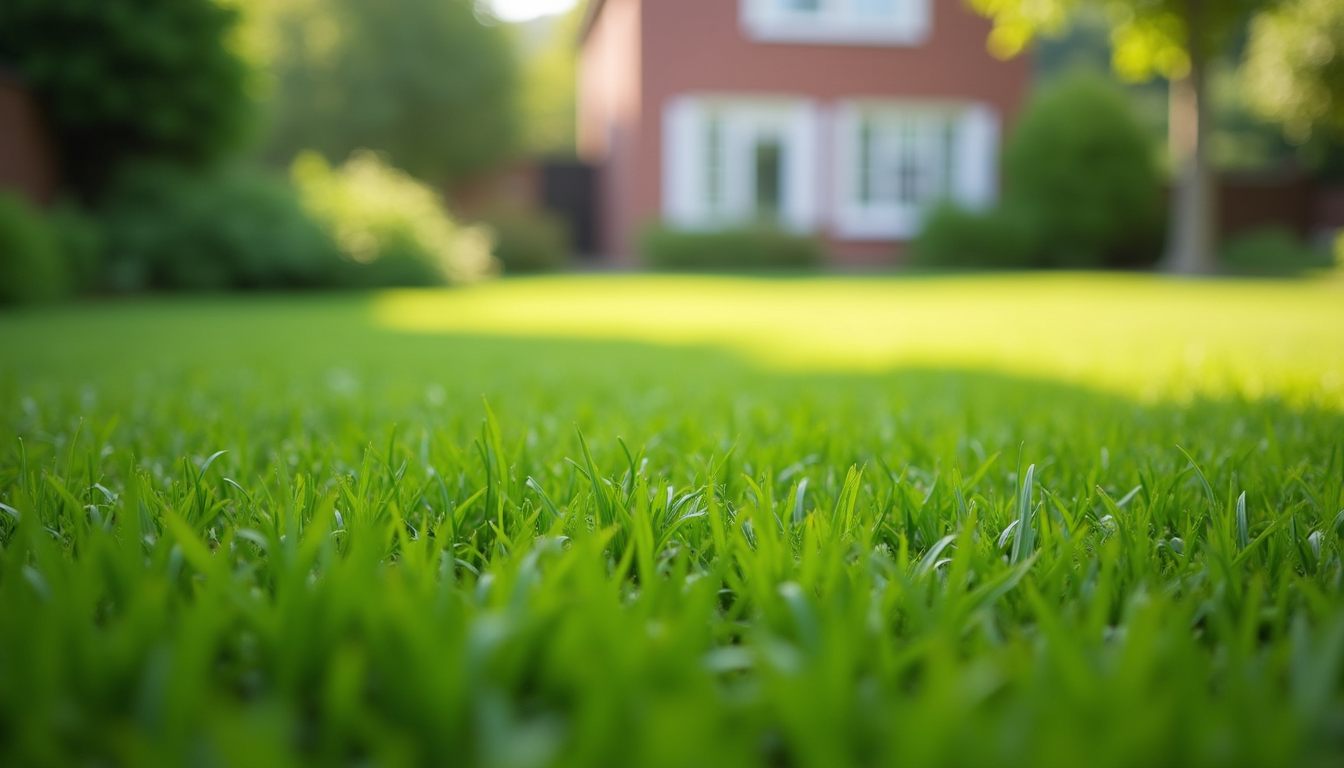
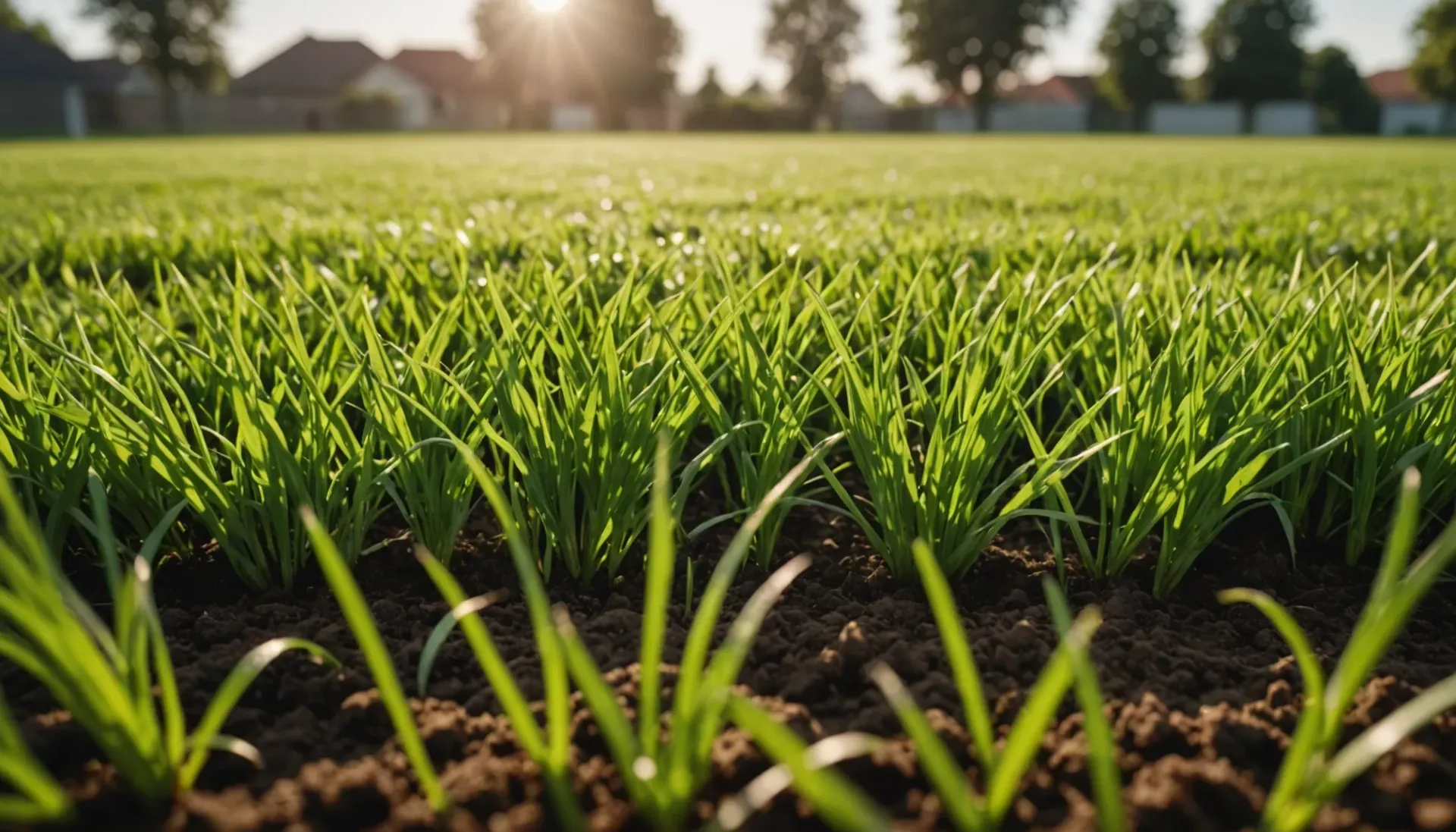
Springtime in Toronto is an exciting period marked by melting snow, rising temperatures, and vibrant greenery. It is the ideal moment to prioritize the health of your lawn and prepare it for robust growth ahead. With the right techniques, you can rejuvenate your lawn and ensure it thrives throughout the warmer months. Here’s a comprehensive guide to effective practices for spring lawn rejuvenation in Toronto. Assessing Your Lawn's Condition Before diving into rejuvenation techniques, take a careful look at your lawn. Identify areas affected by winter conditions, such as brown patches, compacted soil, and a surge in visible weeds. Assessing your lawn’s condition helps you craft a focused plan for effective rejuvenation. Don't forget the soil’s health; conduct a simple test to determine pH levels and nutrient availability. Healthy soil is the backbone of a vibrant lawn. A balanced pH level (ideally between 6.0 and 7.0) offers the best environment for grass growth by allowing nutrients to absorb effectively. Lawn Aeration Aeration is a key practice for rejuvenating your lawn, especially in high-traffic areas. This process creates small holes in the soil, allowing air, water, and nutrients to reach the roots. In Toronto, the best time to aerate is early to mid-spring when grass is actively growing. This helps relieve soil compaction and supports a strong root system. Using a core aerator, which removes plugs of soil, yields better results than spike aerators that simply poke holes. Aerating your lawn can increase the grass's water absorption by up to 30%, which is crucial during the drier summer months.
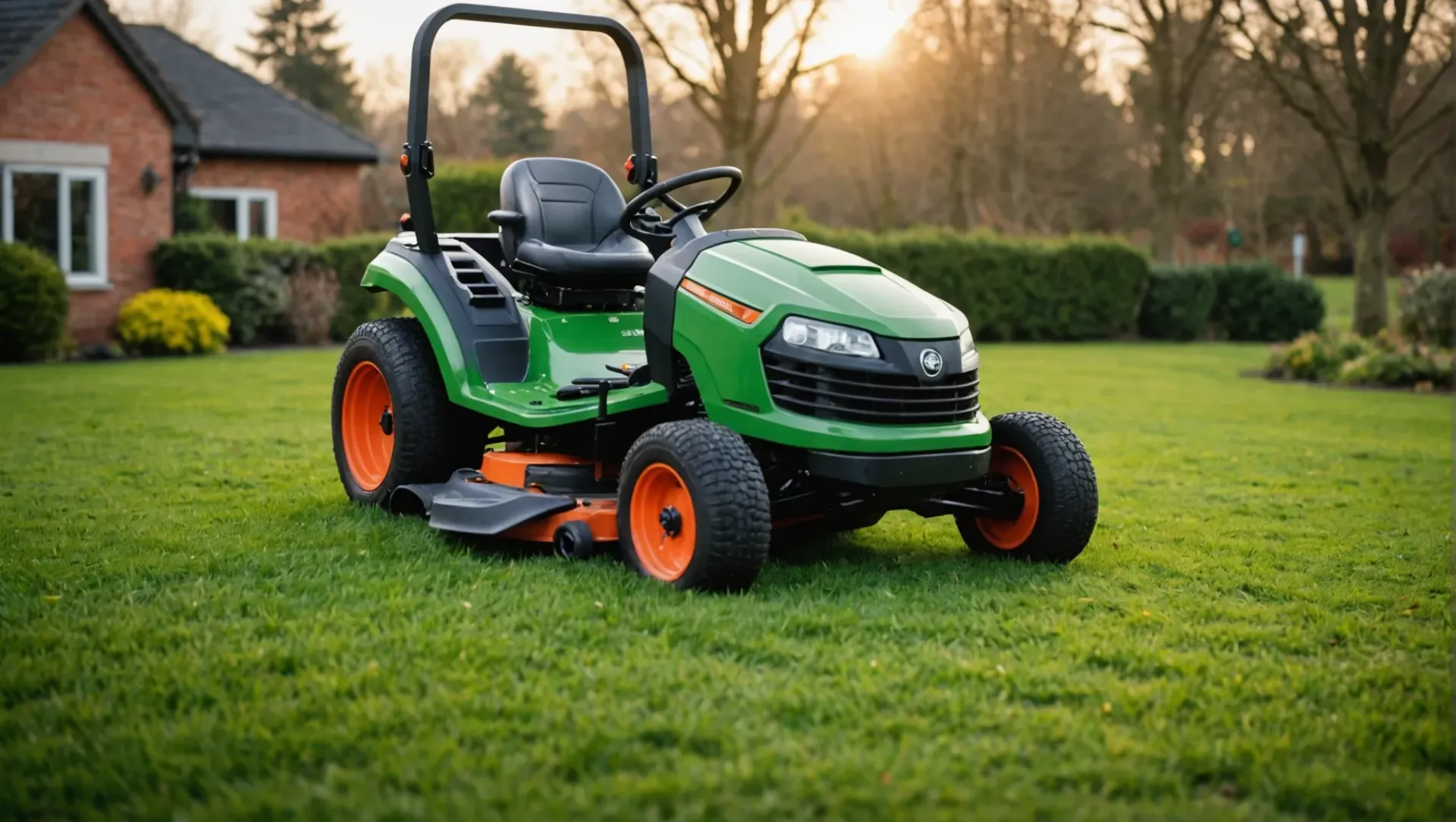
As the colorful leaves of fall disappear and the chill of winter arrives, Toronto homeowners must focus on preparing their lawns for the cold months. Effective winter lawn care is essential for ensuring a lush, vibrant lawn in the spring. This guide will provide you with indispensable steps to transition your lawn care practices for winter, enabling your grass to endure the harsh Toronto climate. Assessing Your Lawn's Health Before implementing winter care practices, first assess the current health of your lawn. Watch for signs of damage or disease, including brown patches, sparse growth, or signs of pests like grubs. A detailed inspection will help you determine what treatments are necessary to prepare your lawn for the winter months. Look for compacted areas that could benefit from aeration. Aeration allows water and nutrients to reach the roots better. According to the Lawn Institute, compacted soil can reduce oxygen levels and prevent healthy growth, so addressing these issues early gives your lawn a great chance to recover by spring. Lawn Aeration Aeration is vital for winter lawn care, especially for Toronto’s heavy clay soils, which can become compacted over time. Core aeration, which involves removing small plugs of soil, improves air circulation, enhances water drainage, and boosts nutrient absorption. Aim to aerate your lawn in late September or early October when the grass is still actively growing. Studies show that aeration can improve root growth by up to 30%. After aerating, overseed your lawn with a blend tailored for Toronto’s climate to fill in any bare spots and enhance overall thickness. Fertilization Applying winter fertilizer is crucial as cold weather approaches. Choose a fertilizer high in potassium, as it helps grass develop stronger roots and increases its resilience against cold stress. Research indicates that lawns fertilized in the fall can see a 20% increase in root mass compared to unfertilized lawns. Fertilize your lawn just before the first frost to ensure that nutrients are readily available when your grass needs them most. This step prepares your lawn for harsh winter conditions and ensures it’s ready to thrive in spring. Mowing Techniques Proper mowing in the fall significantly impacts your lawn's winter readiness. As growth slows, adjust your mowing height. For the last cut of the season, trim your grass to about 2 to 2.5 inches. This height reduces the risk of snow mold while allowing your lawn to capture essential sunlight, which can still benefit growth. Remember that overgrown grass can lead to thatch problems, increasing the chance of pests and disease in winter. Watering Even in the cooler temperatures of fall, your lawn still needs water. While grass growth will slow down, it still requires moisture for strong root development. In Toronto, aim for about 1 inch of water weekly, either from rainfall or additional irrigation, especially during dry conditions. Be careful not to overwater, as excess moisture can lead to diseases such as snow mold in colder months. Raking and Cleanup Fallen leaves can suffocate your lawn if left unchecked, leading to mold and decay. Prioritize raking or mulching leaves regularly as winter approaches. Additionally, clear debris like branches and any lawn furniture, as these can prevent your lawn from breathing throughout winter. Maintaining a clean lawn not only fosters a healthier environment but also ensures an appealing look as winter sets in. Protecting the Soil Adding a protective layer of mulch can provide valuable insulation for your lawn during Toronto's frigid winters. After clearing leaves, consider spreading a thin layer of mulch or straw. This protective layer helps retain moisture and regulates soil temperature, leading to healthier root growth as temperatures fluctuate. Mulch can also prevent erosion and protect nutrients in your soil over the winter months, ensuring your lawn has a strong foundation heading into the spring. Choosing the Right Seed If you plan to overseed your lawn, selecting the right grass variety for Toronto’s climate is essential. Fescue and Kentucky bluegrass thrive in colder conditions and are known for their robust root systems. When overseeding, ensure that your chosen seed is suitable for transitional zones. Opting for the right seed can reduce the potential for disease in the spring and lead to a healthier lawn, saving you time and resources in the long run. Finalizing Your Winter Prep With winter on the horizon, complete all lawn care tasks by late November. This includes applying fertilizers, seeds, and pre-emergent treatments, ensuring that your lawn is healthy and clean as winter arrives. It's essential to act before snow covers the lawn, as winter maintenance becomes increasingly difficult once the snow arrives. Proper preparation now can save you from frustrating and costly problems come spring.

Tips for Winterizing Your Toronto Lawn: A Professional's Guide

The importance of sharpening your lawn mower blades and how to do it yourself.

When the vibrant hues of autumn paint the landscape, leaves gracefully dance through the air before finding their resting place on lawns. The picturesque scene, however, marks the beginning of the annual chore of leaf management for many homeowners. The dilemma arises: city leaf collection, bagging leaves, or opting for a professional leaf cleanup service to tackle the fall foliage? Let's dive into why entrusting your leaf cleanup to professionals who vacuum and remove the leaves off your property could be the superior choice. Professional Opinion The Challenge of City Leaf Collection: City leaf collection services provided may seem like a convenient option. However, the scheduled pickup dates, limited timeframe, and unpredictability of weather conditions often pose challenges. The leaves may linger on your property, creating a messy sight until the collection day arrives. Moreover, the leaves blown by the wind from unmaintained piles can cause frustration not only for you but also for your neighbors. Bagging Leaves: A Tedious Task Bagging leaves is a traditional method of leaf removal that requires hours of labor, sore backs, and endless rows of hefty yard waste bags. The risk of broken bags due to the weight of damp leaves, or animals tearing them apart, adds to the inefficiency of this approach. Furthermore, autumn winds can easily undo your hard work, spreading leaves across your property or beyond, prompting a tiresome cycle of raking and re-bagging. Embracing Professional Leaf Cleanup Service: In contrast, opting for a professional leaf cleanup service offers a seamless solution to the annual fall foliage challenge. Skilled professionals equipped with powerful vacuums swiftly remove all traces of leaves from your property. The meticulous process ensures no leaf is left behind, leaving your lawn immaculate and your surroundings pristine. By choosing professional leaf cleanup, you eradicate the hassle of broken bags, eliminate the risk of wind-blown leaves, and revel in the satisfaction of having the cleanest property on the block. Unveil the Cleanest Property on the Block Imagine stepping outside on a crisp fall morning to behold a flawlessly manicured lawn, void of fallen leaves, thanks to the expertise of a professional leaf cleanup service. With no broken bags cluttering your driveway or gusts of wind playing havoc with your leaf-filled yard, you can relish in the beauty of your tidy oasis. Your neighbors will gaze in admiration at your immaculate property, a testament to the meticulous care invested in maintaining your surroundings.
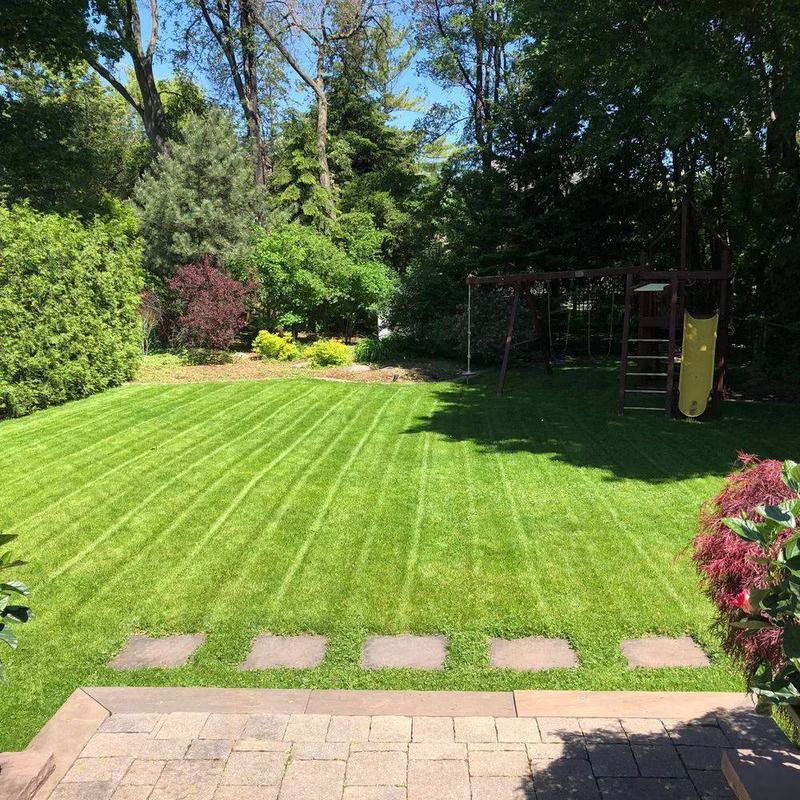
Are you tired of envying your neighbor's emerald-green lawn, wondering why yours falls short every summer? As a seasoned lawn care professional in Toronto, let me share with you the secret to achieving a thick, healthy carpet of grass that will make every passerby turn their heads in admiration. Why Is Irrigating Your Lawn Crucial? In Toronto's climate , characterized by hot summers and erratic rainfall patterns, the importance of watering your lawn cannot be overstated . Neglecting this essential task can pave the way for a plethora of problems that will wreak havoc on your once-luscious lawn. Say No to Dead Patches Picture this: unsightly brown patches marring the expanse of your yard like scars on a once-flourishing landscape. Dead patches are often a tell-tale sign of inadequate watering. Grass that lacks sufficient moisture will wither and die, creating barren spots that mar the beauty of your lawn.

Autumn is a time of transition, where the vibrant hues of summer start to wane, and the crisp air heralds the approach of winter. As the leaves change color and begin to fall, it's also a crucial period for lawn care enthusiasts to prepare their green spaces for the colder months ahead. To ensure your yard remains healthy and resilient, we have compiled a comprehensive fall lawn care guide with expert tips to help you maintain a lush and vibrant lawn throughout the season. Embrace the Season: Clean Up and Clear Out
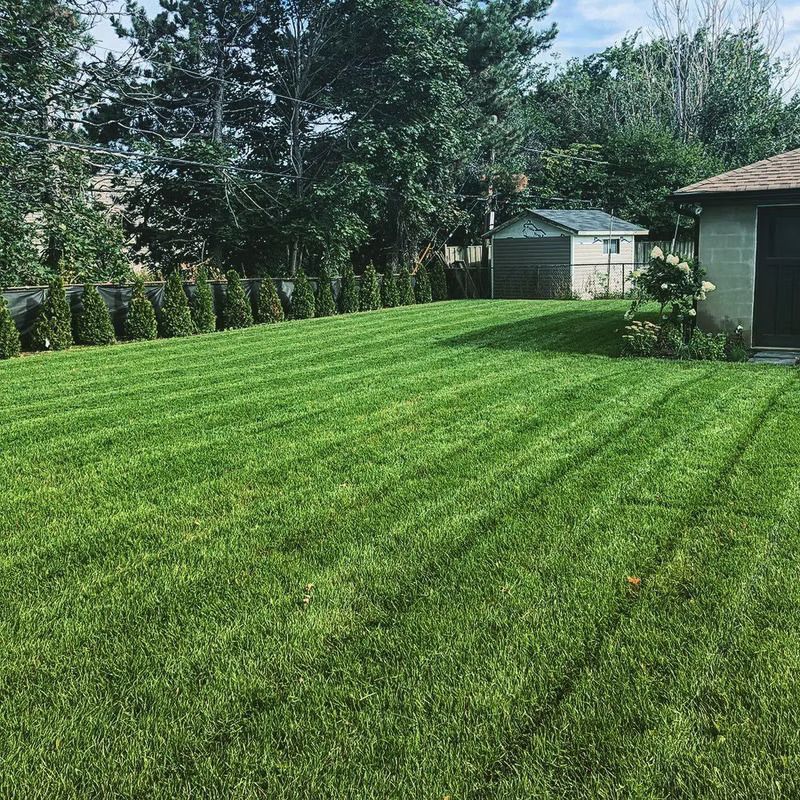
Maintaining a lush, picturesque lawn is a dream come true for many homeowners. A well-kept lawn not only elevates the aesthetic appeal of your property but also contributes to the overall health of your landscape. In the quest for the perfect lawn, the frequency of mowing plays a crucial role. Should you mow weekly or biweekly? Let's delve into the debate and discover why weekly mowing reigns supreme. The Battle of Weekly vs. Biweekly Mowing Weekly Lawn Mowing: The Champion of Manicured Lawns
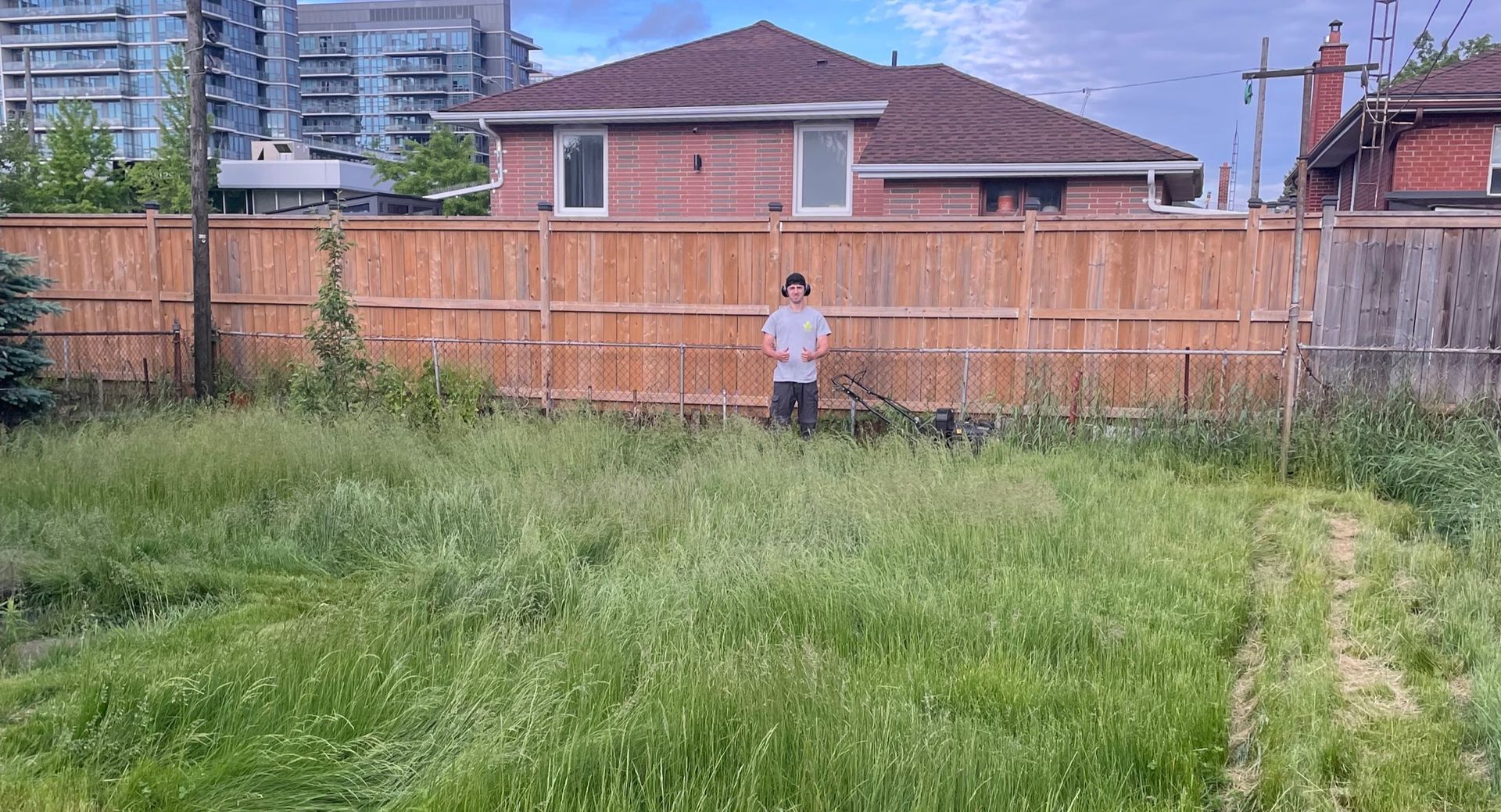
The Negative Impact of Overgrown Lawns: Why Regular Maintenance Is Essential
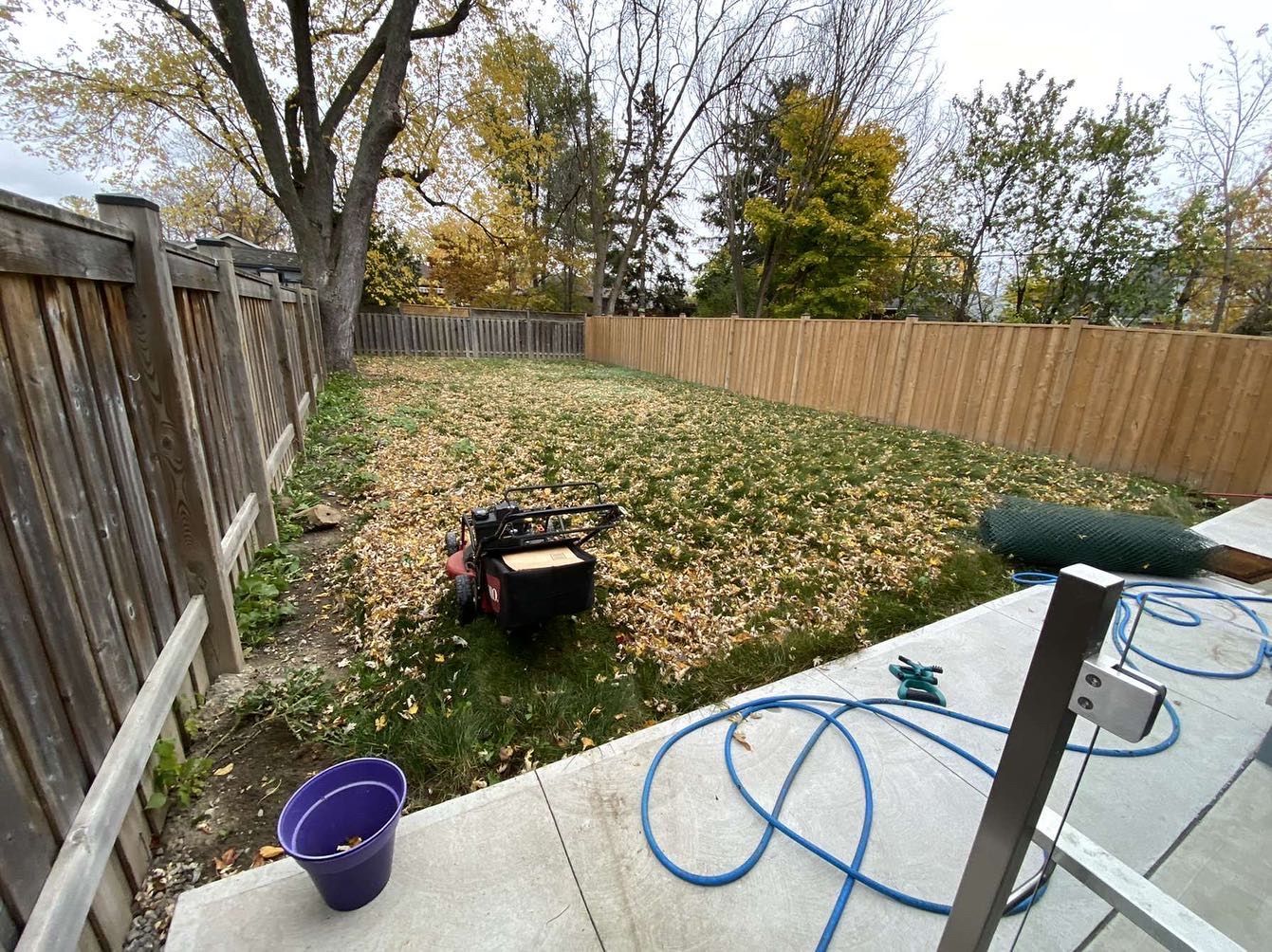
In the transition from autumn to winter, one crucial task often overlooked is leaf cleanup. As the trees shed their vibrant foliage, creating a picturesque scene, the aftermath of fallen leaves can have a significant impact on the health and aesthetics of your property. In this blog post, we will delve into the importance of leaf cleanups, shedding light on how this seemingly simple chore plays a vital role in maintaining a clean, healthy, and visually appealing outdoor space. Why Leaf Cleanup Matters Leaves, while charming in their colorful descent, can pose potential risks to your lawn and plants if left unattended. The buildup of fallen leaves not only creates a messy appearance but can also lead to underlying issues that may harm the vegetation. Wet leaf mats, a common occurrence in the fall and early winter, have the potential to suffocate and smother existing grass, plants, and flowers underneath. This can block sunlight, air, and vital nutrients from reaching the soil, leading to weakened plants and ultimately hampering the overall health of your garden. Maintaining a Clean and Tidy Property Perhaps one of the most apparent benefits of leaf cleanup is the instant improvement it brings to the appearance of your property. A well-maintained lawn free of debris exudes a sense of care and attention to detail. A clean landscape not only enhances the curb appeal of your home but also creates a welcoming environment for both residents and visitors. Additionally, a clutter-free yard makes it easier to navigate and enjoy outdoor spaces, whether for recreational activities or relaxation. Promoting Health and Growth Beyond the aesthetic aspect, regular leaf cleanup is crucial for promoting the health and growth of your lawn and plants. By removing fallen leaves promptly, you allow your grass to breathe and receive the necessary sunlight for photosynthesis. This, in turn, fosters healthy growth and prevents the development of mold or diseases that thrive in moist environments. Furthermore, clearing away debris minimizes the risk of pests finding shelter in decaying leaves, thereby safeguarding your garden from potential infestations. Preparing for Winter and Spring Engaging in leaf cleanup before winter sets in ensures that your property is adequately prepared for the colder months. By removing fallen leaves, you prevent them from trapping moisture and creating breeding grounds for harmful fungi or bacteria during the dormant season. Additionally, a clean slate in the fall paves the way for a fresh start in the spring, allowing your lawn and plants to thrive as they emerge from their winter slumber. Embracing the Art of Leaf Cleanup In essence, leaf cleanup is not just a seasonal chore but an essential part of maintaining a healthy and beautiful outdoor space. While it may require time and effort, the rewards of a well-kept property far outweigh the initial investment. So, grab your rake, don your gloves, and embrace the art of leaf cleanup – your lawn and garden will thank you for it! Remember, the next time you embark on a leaf cleanup mission, you're not just tidying up your yard; you're nurturing the vitality and beauty of your outdoor oasis.